
Last Updated: November 15, 2026
Quick Summary
You avoid hidden plumbing costs by getting a written quote that itemises diagnosis, call-out fee, labour, parts, exclusions, contingency and guarantee, then comparing quotes on total likely cost rather than the headline figure. Ask whether the price is fixed or an estimate, and require any extra work to be confirmed in writing before it starts.
- A water meter ticking over when nothing is running is a warning sign of a hidden leak.
- A quote that says ‘from’ a price or lists one lump sum is where surprise charges hide.
- Ask if the call-out fee is credited against the repair if you proceed.
- Confirming extra work in writing before it starts is the most effective protection against bill creep.
- Have a licensed plumber inspect the whole system once a year.
Table of Contents
- How Small Leaks Become Hidden Plumbing Costs
- Your Plumbing Quote Checklist Before You Approve Work
- Questions to Ask a Plumber to Avoid Surprise Fees
- A Plumbing Maintenance Checklist for Preventing Costly Repairs
- Frequently Asked Questions
How Small Leaks Become Hidden Plumbing Costs
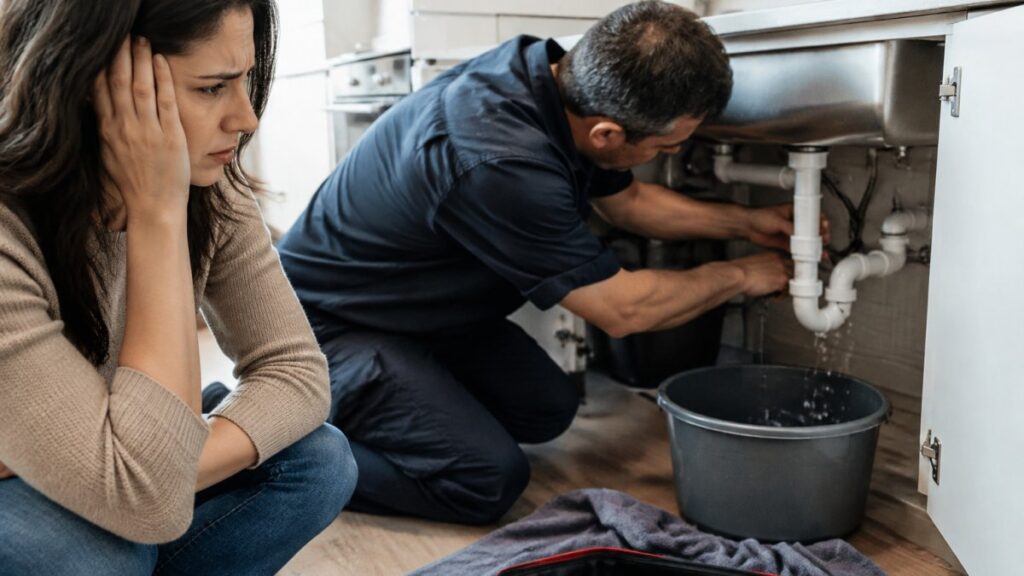
A dripping tap or faint damp patch rarely stays small. Water finds the path of least resistance, and by the time you notice it, damage is underway. A slow leak behind a wall can become a soaked frame, then a repair bill. Hidden plumbing costs grow because the leak is invisible until it surfaces somewhere expensive.
The warning signs most people miss
- A water meter that ticks over when nothing is running
- Damp or musty smells in a hallway or cupboard
- Paint bubbling or flaking on a ceiling
- A sudden jump in your water bill
- Soft or discoloured skirting boards
Any one of these deserves a proper look. Catching a small leak early is almost always cheaper than repairing the water damage it causes.
Your Plumbing Quote Checklist Before You Approve Work
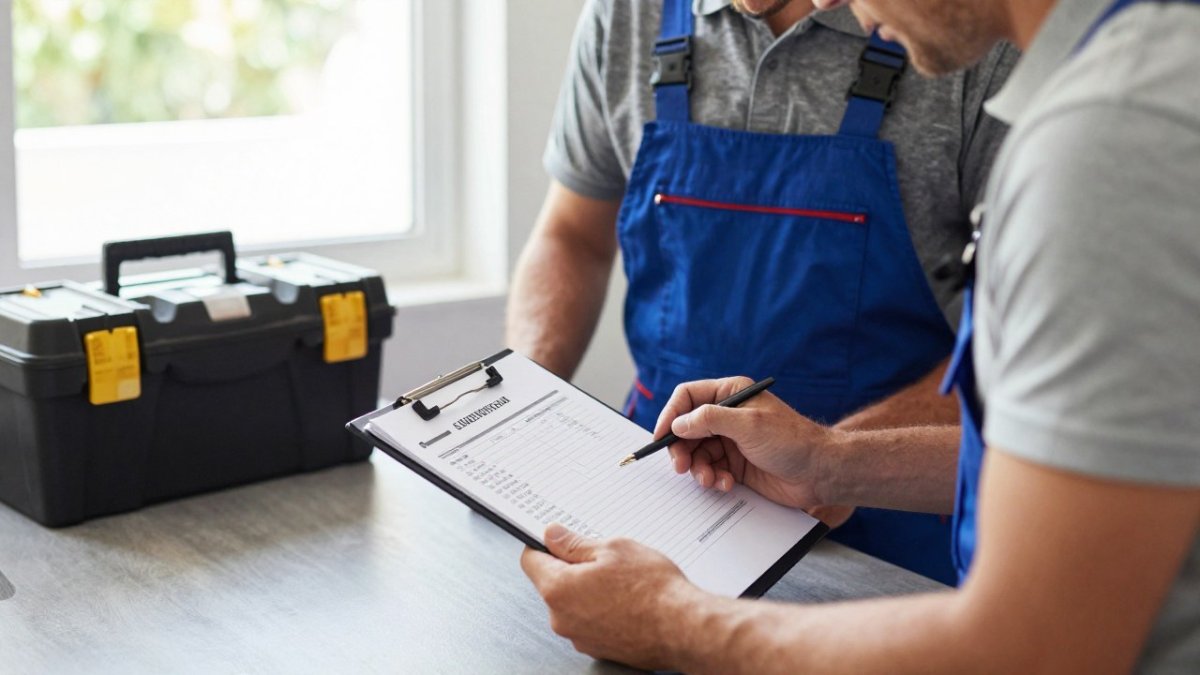
A written quote is only useful if you can read it like a plumber. Most disputes over hidden costs start with a quote that was vague about scope, exclusions, or what happens when the job turns out bigger than expected. Ask for it in writing and work through it line by line.
What a transparent quote should show
- Diagnosis and scope, what the plumber believes is wrong, how they confirmed it, and what work is included.
- Call-out fee, whether it is charged separately, credited against the repair if you proceed, and what it covers.
- Labour, the hourly or fixed rate, estimated hours, and whether the rate changes for after-hours or emergency work.
- Parts and materials, itemised where possible, so you can compare like with like.
- Exclusions, what is explicitly not included, such as wall or ceiling patching, waterproofing, cabinet removal, or making good after access.
- Contingency, how the plumber will handle unexpected findings (a second leak, corroded pipework, asbestos-containing materials) and whether they will stop and re-quote before proceeding.
- Guarantee, the workmanship warranty period, what it covers, and whether it is in writing.
How to compare two quotes fairly
Put the quotes side by side and check they cover the same scope. A cheaper quote often excludes patching, waterproofing, or disposal, or assumes a shorter labour time. Compare the total likely cost, not the headline figure, and ask each plumber to confirm in writing whether the price is fixed or an estimate.
Documentation to keep
Keep the quote, the final invoice, any variation approvals, and photos of the problem and the completed work. If a problem recurs or you need to make an insurance claim, this record shows the work was done by a licensed tradesperson and to what standard.
Watch out: a quote that says ‘from’ a price, or that lists a single lump sum with no breakdown, is where surprise charges usually hide. Ask for the breakdown before you approve.
A transparent quote should spell out each of these items before you approve any work.
| Quote item | What it should show |
|---|---|
| Diagnosis and scope | What is wrong, how it was confirmed, work included |
| Call-out fee | Whether charged separately, credited against repair, what it covers |
| Labour | Hourly or fixed rate, estimated hours, after-hours changes |
| Parts and materials | Itemised where possible for like-for-like comparison |
| Exclusions | Patching, waterproofing, cabinet removal, making good after access |
| Contingency | How unexpected findings are handled and re-quoted |
| Guarantee | Workmanship warranty period, what it covers, in writing |
Questions to Ask a Plumber to Avoid Surprise Fees
Surprise fees rarely come from dishonesty. They come from ambiguity: an estimate treated as a fixed price, a call-out fee never mentioned, or a job that expanded once a wall was opened. These questions remove that ambiguity before anyone picks up a tool.
“Is this a fixed price or an estimate, and what would change it?” A fixed price means the plumber carries the risk of the job taking longer; an estimate means you do. Know which you are agreeing to, and what triggers a variation.
“What is the call-out fee, and is it credited against the repair?” Call-out fees vary widely and are sometimes waived if you proceed. Ask directly, and ask whether the fee changes for after-hours or weekend attendance.
“Will you confirm any extra work in writing before starting it?” This is the single most effective protection against bill creep. A reputable plumber will stop, explain what they found, and get your approval, by message or email if you are not on site, before continuing.
“Can I see your licence number and check it?” Ask for the licence number and check it with the relevant licensing authority before work begins.
“What is your workmanship guarantee, and what does it cover?” Ask for the period in writing and whether it covers labour only or parts as well. Workmanship guarantees are separate from manufacturer warranties, and both matter if something fails.
“What is your realistic response time, and how do you prioritise emergencies?” Ask whether after-hours work attracts a higher rate and how that is quoted.
“Will you provide photos of the problem and the completed work?” Photos help you understand what was done, support any insurance claim, and give you a record if the same issue returns.
If a plumber dodges these questions or gives vague answers, walk away.
A Plumbing Maintenance Checklist for Preventing Costly Repairs
Prevention is the cheapest form of plumbing. Routine care keeps small issues from turning into major repairs.
- Check under sinks for damp or slow drips monthly
- Test the water pressure if taps start running weak
- Clear drains of hair and grease before they block
- Check the hot water system for rust or leaks
- Have a licensed plumber inspect the whole system once a year
Plumbing problems rarely fix themselves, and the longer you wait, the more a small leak costs. Greenaway Plumbing offers licensed plumbers and certified gas fitters, 24/7 emergency service, and honest assessments with no corner-cutting. Get started with Greenaway Plumbing and stop hidden plumbing costs before they start.
Frequently Asked Questions
How can I avoid unexpected hidden plumbing costs?
Get a written quote before any work starts and ask whether it covers parts, labour, after-hours rates and waste removal. Ask the plumber to explain the root cause, not just the symptom, and confirm whether a leak detection tool will be used. Keep a maintenance record so small issues are caught early, and check that the plumber is licensed before approving the job.
What should I ask a plumber before approving a repair?
Ask for the licence number, whether they are a certified gas fitter if gas is involved, and how they will diagnose the fault. Request a written quote that itemises parts and labour, plus any call-out fee. Ask what happens if the repair does not fix the problem, and whether the work is covered by a warranty. These questions to ask a plumber expose hidden costs before they appear on the invoice.
When should I get a second opinion on a plumbing repair?
Get a second opinion if the quote seems high, if the diagnosis does not match the symptoms, or if the plumber cannot explain the root cause clearly. A second quote is also worth it for major repairs such as replacing a hot water system or relining a sewer connection. Compare the scope of work, not just the total, so you know what each quote actually includes.


