
Last Updated: November 12, 2026
Quick Summary
Reliable plumbing for property managers is a documented system of maintenance, compliance and communication that keeps tenants safe, protects the asset and gives you a defensible paper trail. It combines scheduled inspections, licensed plumbers and certified gas fitters, and a written service level agreement covering response windows and quoting thresholds.
- Run plumbing inspections quarterly for older stock and half-yearly for newer buildings, logging results with photos.
- Plumbing work must be done by a licensed plumber and gas work by a certified gas fitter to avoid liability.
- Backflow prevention devices require periodic testing by a licensed tester with documented results.
- A service level agreement should set response windows, after-hours availability, reporting format and a quoting threshold.
- Agree that any work beyond a set scope needs written approval first to prevent surprise invoices.
Table of Contents
- What Reliable Plumbing for Property Managers Actually Requires
- The Plumbing Maintenance Checklist for Property Managers
- Plumbing Compliance and Safety Standards That Apply
- Emergency Plumbing Response Times for Tenants
- Plumbing Service Level Agreements for Real Estate
- How to Choose a Reliable Plumbing Partner
- Comparing Plumbing Providers on What Matters
- Frequently Asked Questions
What Reliable Plumbing for Property Managers Actually Requires
Reliable plumbing for property managers is a documented system of maintenance, compliance and communication that keeps tenants safe, protects the asset and gives you a defensible paper trail.
The Plumbing Maintenance Checklist for Property Managers
A plumbing maintenance checklist is a scheduled inspection routine that catches wear before it becomes a failure: walk each property on a fixed cycle, test the components that fail most, and log the results.
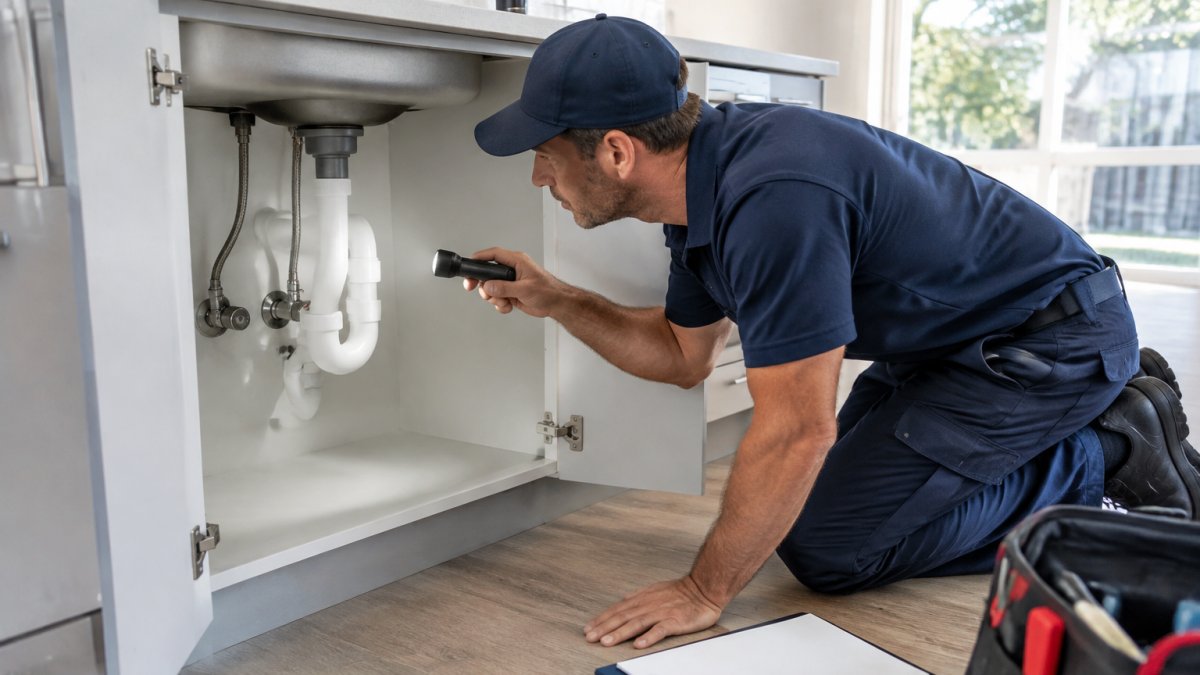
Run it quarterly for older stock and half-yearly for newer buildings; the log is what you produce when a committee or insurer asks what has been done.
Plumbing Compliance and Safety Standards That Apply
Plumbing and gas work in strata and rental properties must be carried out by a licensed plumber, and gas work by a certified gas fitter, unlicensed tradespeople expose the owner and managing agent to real liability. Two obligations come up constantly: backflow prevention, where testable devices require periodic testing by a licensed tester with documented results, and gas safety, where any gas appliance should be checked by a certified gas fitter, especially in older buildings. Confirm current requirements with the relevant state regulator.
Emergency Plumbing Response Times for Tenants
Emergency plumbing response times for tenants define your reputation. A realistic after-hours service means a licensed plumber on the phone quickly and on site within a stated window, not a call centre that logs the job and promises a callback.
Plumbing Service Level Agreements for Real Estate
A plumbing service level agreement for real estate sets out in writing what the provider commits to: response windows, after-hours availability, reporting format, invoicing terms and dispute handling. Without one, “reliable” is just a word on a website.
| SLA element | What it should specify | Why it matters |
|---|---|---|
| Response time | Emergency and routine windows | Sets tenant expectations |
| Quoting | Approval threshold before work | Prevents surprise invoices |
| Escalation | Named contact and process | Resolves issues fast |
The most useful clause is the quoting threshold: agree that any work beyond a set scope needs written approval first, and you remove the most common source of friction between managing agents and trades.
How to Choose a Reliable Plumbing Partner
Choosing a reliable plumbing partner comes down to proof, not promises. Ask for licence numbers before work starts, how work orders and photos are delivered, and what happens after hours.
Comparing Plumbing Providers on What Matters
When you compare providers, weight the factors that affect your obligations, not just the hourly rate.
Frequently Asked Questions
What should property managers look for in a plumbing contractor?
Check licence numbers before work starts, not after. Ask for proof of current licensing and gas fitting certification, a written service level agreement with defined response times, and itemised invoicing rather than lump sums. Confirm they carry insurance and can produce compliance documentation for strata committees. A provider that offers after-hours service and digital work orders makes managing multiple properties far easier, and past response times are a fair indicator of whether they will show up when a tenant calls at 2am.
How do you handle emergency plumbing requests for rental properties?
Set a clear triage rule with your plumber: burst pipes, sewage backflow and no hot water are emergencies, a dripping tap is not. Give tenants a single after-hours number and require the plumber to log every call-out with a timestamp and photos. Emergency plumbing response times for tenants should be written into your agreement, and the plumber should confirm arrival windows directly with the tenant so you are not fielding calls in between. Review the call-out log monthly to spot repeat faults.
What are the legal plumbing maintenance obligations for landlords?
Landlords must keep the property in a reasonable state of repair and meet health and safety requirements, including gas safety checks by a licensed gas fitter. Plumbing compliance and safety standards apply to installations, backflow prevention and hot water systems. Keep records of every inspection, repair and certification, because documentation is what protects you if a dispute reaches a tribunal. Confirm current obligations with your state regulator, as requirements differ and change, and build the checks into a recurring plumbing maintenance checklist.


