
Quick Summary
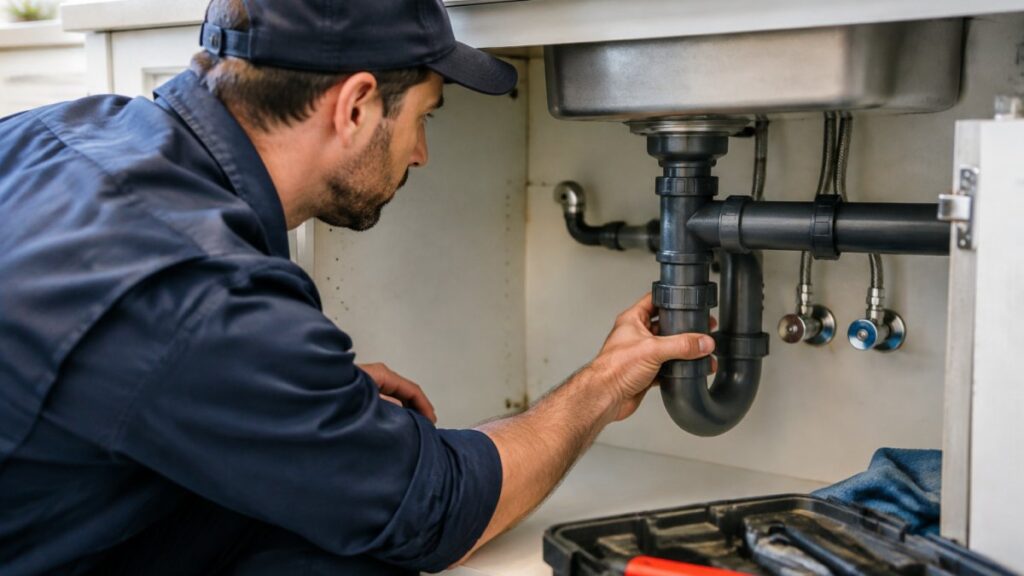
To identify root cause plumbing faults, start with the symptom and ask why it happens until you reach the source. Check whether one fixture or several are affected, since multiple fixtures usually point to the main drain or sewer line. A quick clear-out may fix the symptom, but the underlying fault will keep causing problems if it is not found.
- Ask why repeatedly, moving from the symptom to its underlying cause.
- If several fixtures are affected, the fault is usually in the main drain or sewer line.
- Multiple drains gurgling or slow together signals a blockage further down the line.
- Recurring blockages within weeks of clearing can indicate tree roots entering the sewer pipe.
- A rising water bill with no visible leak can signal a hidden fault.
Table of Contents
- Why Plumbing Problems Keep Coming Back
- Plumbing Troubleshooting Checklist: Working From Symptom to Cause
- Signs of a Blocked Sewer Pipe
- Tree Roots in Sewer Pipes: Signs to Watch For
- How Plumbers Detect Hidden Water Leaks
- Separating Symptoms From Causes on Root Cause Plumbing Faults
- Booking a Diagnostic Visit With Greenaway Plumbing
- Frequently Asked Questions
Why Plumbing Problems Keep Coming Back
Last Updated: November 11, 2026
If your drain clogs again a month after a fix, the problem is not the clog. It is what caused the clog. A quick clear-out often fixes the symptom, while the real fault keeps waiting underground. Learning how to identify root cause plumbing faults saves money, prevents water damage, and stops repeat callouts.
A root cause is the underlying fault that produces the problem you can see. A slow shower is a symptom. Partial blockage in the trap, a grease build-up, or a failing vent could be the cause. Each one needs a different fix, and treating the wrong one wastes time and money.
Why problems return:
- The first fix addressed only the visible blockage
- A worn or undersized pipe keeps collecting debris
- Tree roots or ground movement damage the line from outside
- Pressure or venting problems were never checked
Watch out: pouring chemical drain cleaner on a repeat blockage can damage old pipes and make the next repair harder.
Plumbing Troubleshooting Checklist: Working From Symptom to Cause
Start with what you can observe, then narrow it down. Work through these questions in order.
- Is the problem in one fixture or several?
- Does it happen only when a specific fixture runs?
- Is the water slow, gurgling, or backing up?
- Has the water bill risen without a clear reason?
- Are there damp patches, stains, or a musty smell?
- When did the problem first start?
If several fixtures are affected, the fault is usually in the main drain or sewer line, not in one trap. If only one fixture is affected, the cause is often local, such as a trap, a vent or a fitting.
Signs of a Blocked Sewer Pipe
A blocked sewer pipe is one of the most serious causes of repeat drainage trouble. It affects the whole property, not just one sink.
Look for these signs:
- Multiple drains gurgle or drain slowly at once
- Water backs up into the lowest drain, usually the shower or laundry
- Foul odours come from drains or the yard
- Toilets bubble when another fixture drains
These symptoms point to a blockage further down the line. Clearing a single fixture will not solve it. Call a licensed plumber to inspect the line before the blockage causes an overflow.
The article describes the warning signs of a blocked sewer pipe as follows:
| Sign | What it suggests | Action |
|---|---|---|
| Multiple drains gurgle or drain slowly | Blockage further down the line | Call a licensed plumber |
| Water backs up into the lowest drain | Blockage in the main sewer line | Inspect the line before overflow |
| Foul odours from drains or yard | Sewer line problem | Have the line checked |
| Toilets bubble when another fixture drains | Shared sewer line obstructed | Avoid clearing one fixture only |
Tree Roots in Sewer Pipes: Signs to Watch For
Tree roots grow towards moisture and can enter small cracks or joints in sewer pipes (Wastewater blockages). Once inside, they catch paper and debris and form a dense blockage. Roots can also crack pipes as they thicken.
Common warning signs include:
- Recurring blockages that return within weeks of clearing
- Slow drainage across the whole house
- Lush patches of grass above the sewer line
- Sewage smells in the yard
If you have large trees near the sewer line, have the pipe inspected. A camera inspection shows exactly where roots have entered and whether the pipe itself is damaged.
How Plumbers Detect Hidden Water Leaks
Some leaks never show above ground. Water can run through walls, under slabs, or along buried pipes for months before the damage becomes obvious. Plumbers use several methods to find them:
- Acoustic listening: Sensitive equipment picks up the sound of escaping water.
- Pressure testing: The system is sealed and monitored for pressure loss.
- Meter checks: The water meter is read with all taps off. A moving dial means water is escaping somewhere.
- Thermal imaging: Temperature differences can reveal warm or cool patches where water flows behind walls.
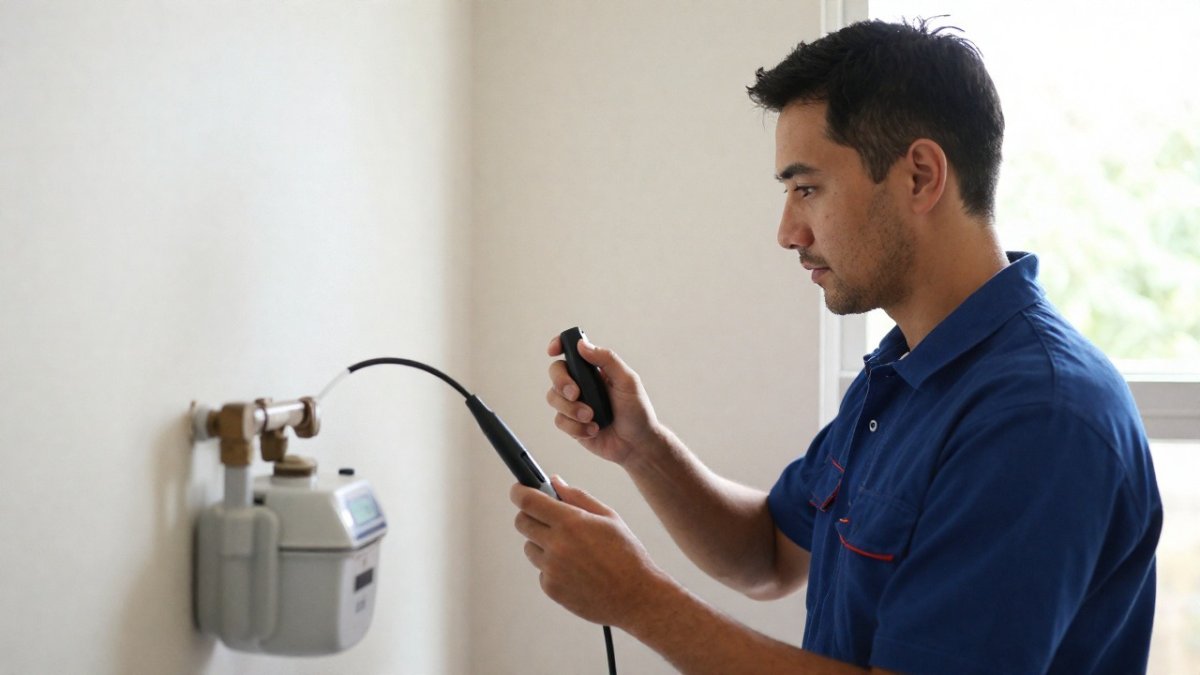
Watch out: a rising water bill with no visible leak can be a sign of a hidden fault. Do not wait for water to appear on the floor.
Separating Symptoms From Causes on Root Cause Plumbing Faults
The key skill in root cause plumbing work is asking “why” until you reach the source. A slow drain may be caused by a blocked trap, which is caused by grease build-up, which is caused by how the kitchen is used.
Here is a simple way to think about it:
- Note the symptom. Example: the kitchen sink drains slowly.
- Check the nearest cause. Example: clear the trap and inspect it.
- Ask what made it happen. Example: grease is coating the pipe further down.
- Confirm with a test. Example: run water and watch the flow.
- Fix the source. Example: clear the line and adjust how fats are disposed of.
Skipping steps leads to repeat callouts. Clearing a blockage without finding its source is the most common reason problems come back.
Booking a Diagnostic Visit With Greenaway Plumbing
If a problem keeps returning, a diagnostic visit is the fastest route to a lasting fix. A licensed plumber can look for the cause before quoting for repairs, so you can pay for the right fix instead of repeat callouts.
Greenaway Plumbing is based in Bondi and serves the Eastern Suburbs, with 24/7 emergency plumbing available. Tell us your symptoms and when they started, and we will advise you on the next step.
Repeat blockages and hidden leaks are hard to fix from the outside. Greenaway Plumbing offers 24/7 emergency plumbing, fully licensed plumbers and certified gas fitters, and honest assessments with no corner-cutting. Get started with Greenaway Plumbing and find the real cause of your plumbing problem.
Frequently Asked Questions
How do I find the root cause of a plumbing problem?
Start by recording exactly what you see, hear and notice, including when it happens and which fixtures are involved. Check whether the problem affects one fixture or the whole home, since a single slow drain points to a local blockage while several at once points to the main sewer line. Then work through a plumbing troubleshooting checklist: confirm the water supply, check for leaks at visible joints and under sinks, and test whether the issue changes with water use. Symptoms often sit downstream of the real fault, so the goal is to trace the pattern back to its source before replacing parts. If the cause is still unclear after these checks, a licensed plumber can use diagnostic tools to confirm it.
What are the signs of a blocked sewer pipe?
The most common signs are multiple drains running slowly at the same time, gurgling sounds from toilets or floor wastes, and sewage odours inside or outside the home. Water backing up into a shower or toilet when another fixture is used is a strong indicator of a main line blockage rather than a local clog. Wet patches or unusually green patches of lawn above the sewer route can also point to a leak or blockage. Because these signs can overlap with other faults, a proper inspection, often with a camera, is the reliable way to confirm a blocked sewer pipe.
How can I tell if tree roots are in my sewer line?
Tree roots usually enter sewer pipes through joints and cracks, drawn by moisture. Recurring blockages that clear temporarily and then return, especially where large trees grow near the pipe route, are a typical sign. Slow drains that worsen over several months and sewage smells outside the house also suggest roots. Confirming tree roots in sewer pipes requires a camera inspection, which shows the location and extent of the intrusion so the right repair can be chosen.
Why does the same plumbing problem keep coming back?
A recurring problem usually means the fix addressed the symptom rather than the cause. Clearing a drain without checking the pipe condition leaves the underlying fault in place, as does replacing a valve without checking the pressure or the water source feeding it. Repeat issues are a good reason to review the full pattern of past repairs and ask for a diagnosis that traces the cause before quoting replacement work. A licensed plumber can assess the root cause on site before recommending a repair, so you know what is actually failing.


